
คำตัดสิน: สกรูรวมลดการเปลี่ยนแปลงบิตลง 70% ในสภาพแวดล้อมการผลิต
สำหรับสายการประกอบ เจ้าหน้าที่ซ่อมบำรุง และผู้รับเหมาที่ทำงานกับระบบขับเคลื่อนหลายระบบ สกรูรวม (มีไดรฟ์สองประเภทในหัวเดียว) ทำให้ไม่จำเป็นต้องเปลี่ยนดอกสว่าน การศึกษาการเคลื่อนที่ตามเวลาแสดงให้เห็นว่าการใช้สกรูรวมกับไดรฟ์ slotted/Phillips, Phillips/square หรือ hex/slotted drive ช่วยลดการเปลี่ยนแปลงบิตเครื่องมือได้ 60-75% เมื่อเทียบกับการใช้สกรูแบบไดรฟ์เดี่ยวในเครื่องมือประเภทผสม . ข้อสรุปโดยตรง: เลือกสกรูรวมตาม ประเภทไดรฟ์หลัก (Phillips, สี่เหลี่ยม, Torx, hex), ประเภทไดรฟ์รอง (slotted, Phillips, สี่เหลี่ยม), เกรดวัสดุ (เหล็ก, สแตนเลส, ทองเหลือง) และความต้านทานการกัดกร่อน . สำหรับงานไฟฟ้า สกรูแบบ slotted/Phillips แบบคอมโบ (บางครั้งเรียกว่า "ECX" หรือแบบผสม) ใช้ได้กับทั้งไขควงปากแบนและไขควง Phillips สำหรับงานไม้และการประกอบตู้ การใช้ฟิลลิปส์/สี่เหลี่ยมจัตุรัส (มักเรียกว่า "Quadrex") ให้การถ่ายโอนแรงบิดที่เหนือกว่าและลดการแคมเอาท์
สกรูผสมคืออะไร?
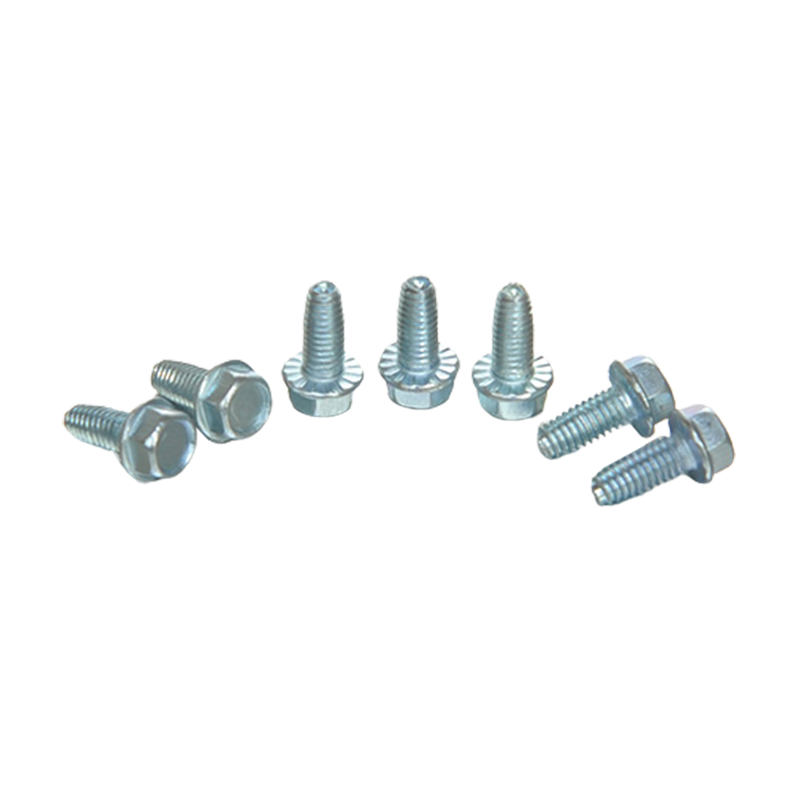
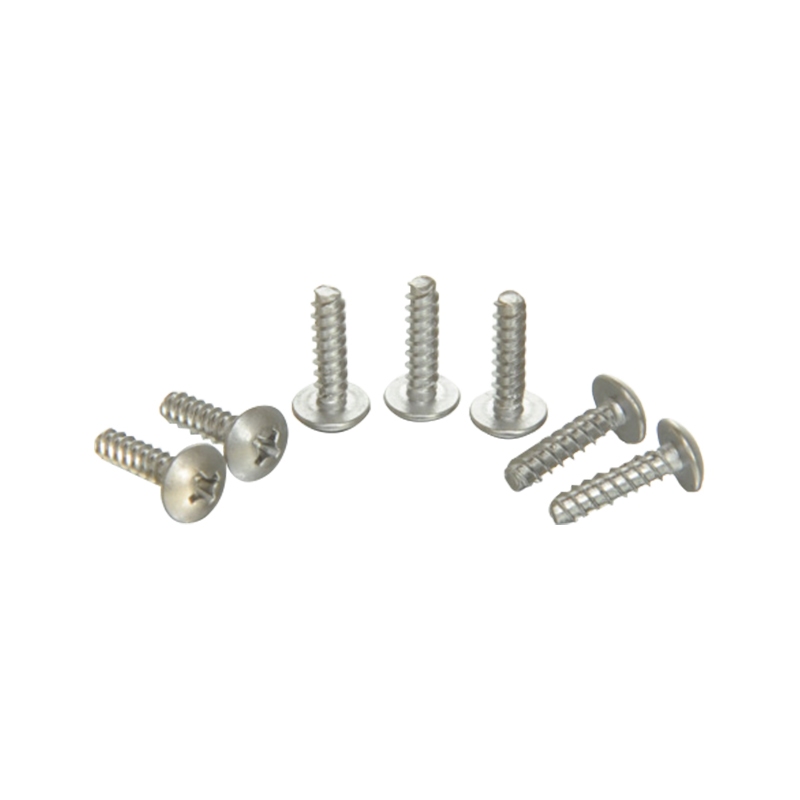
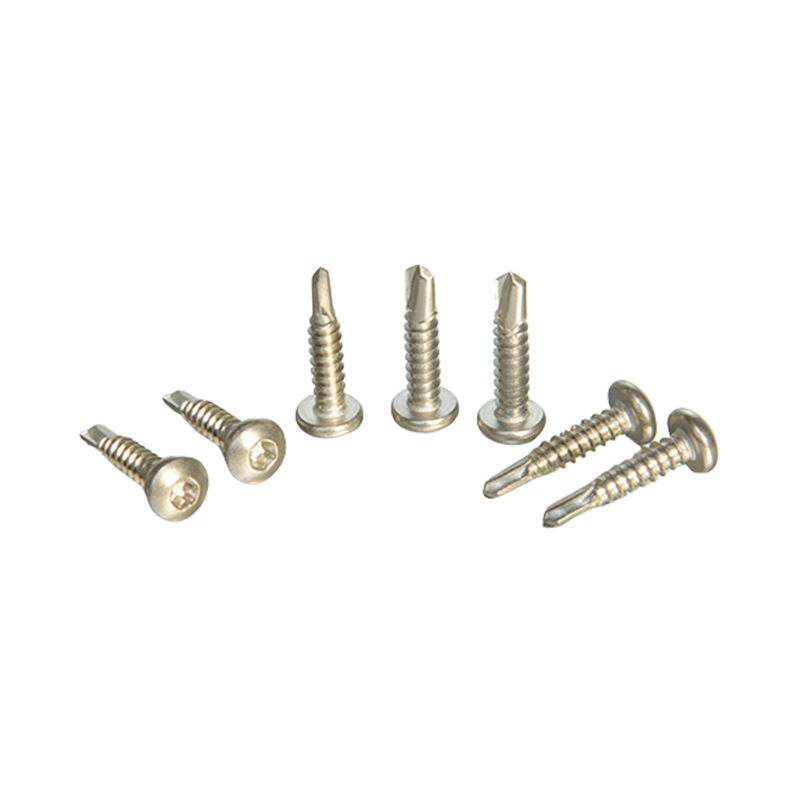
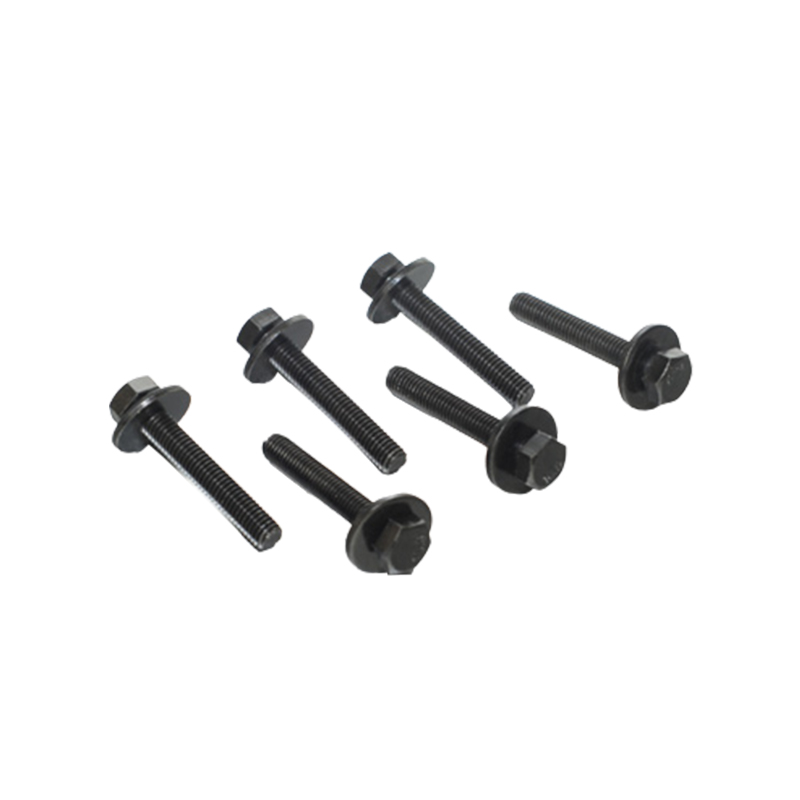
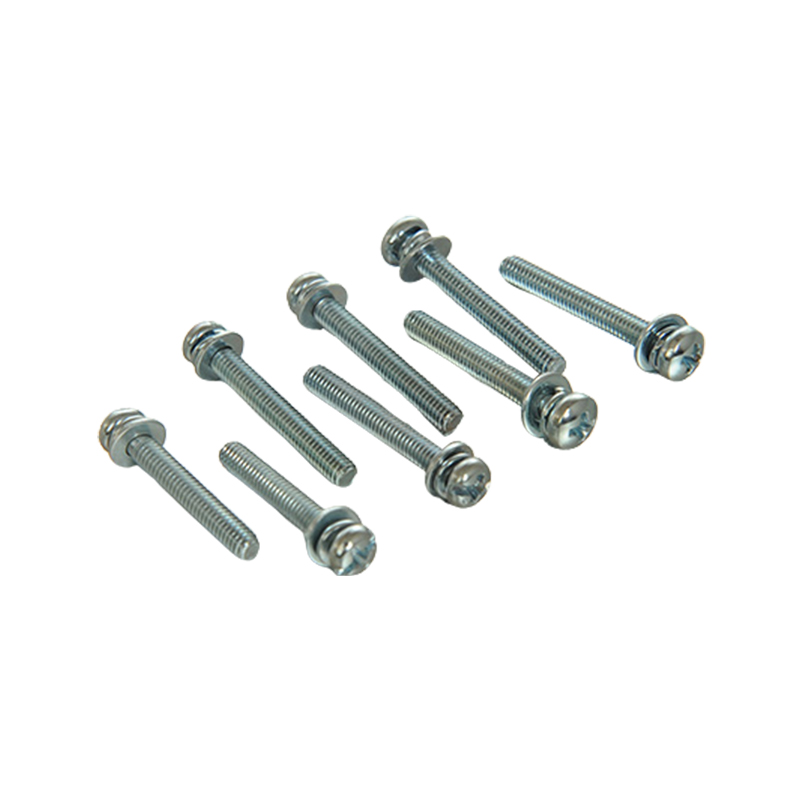
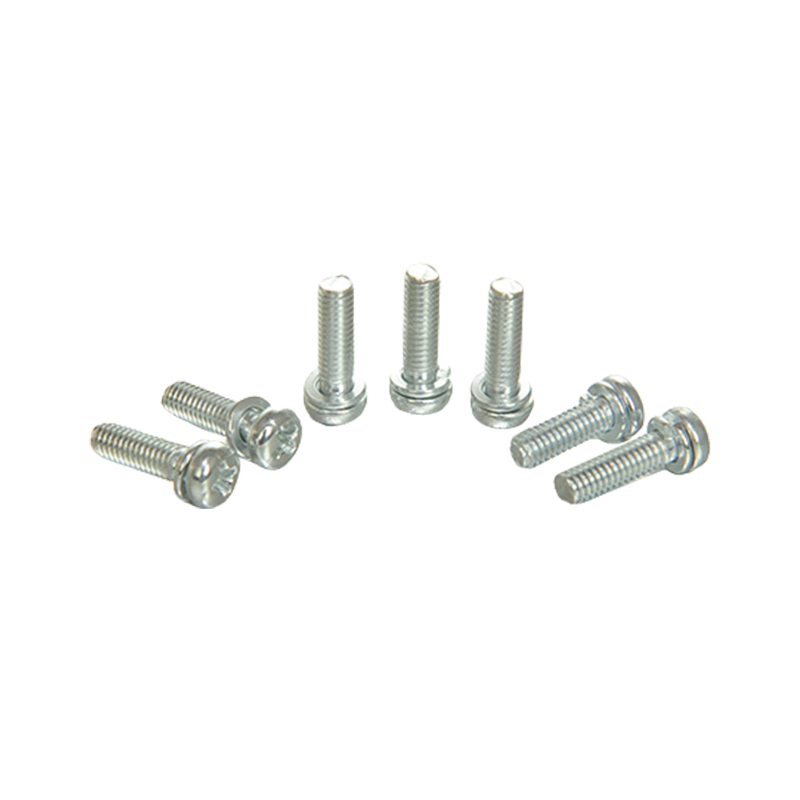
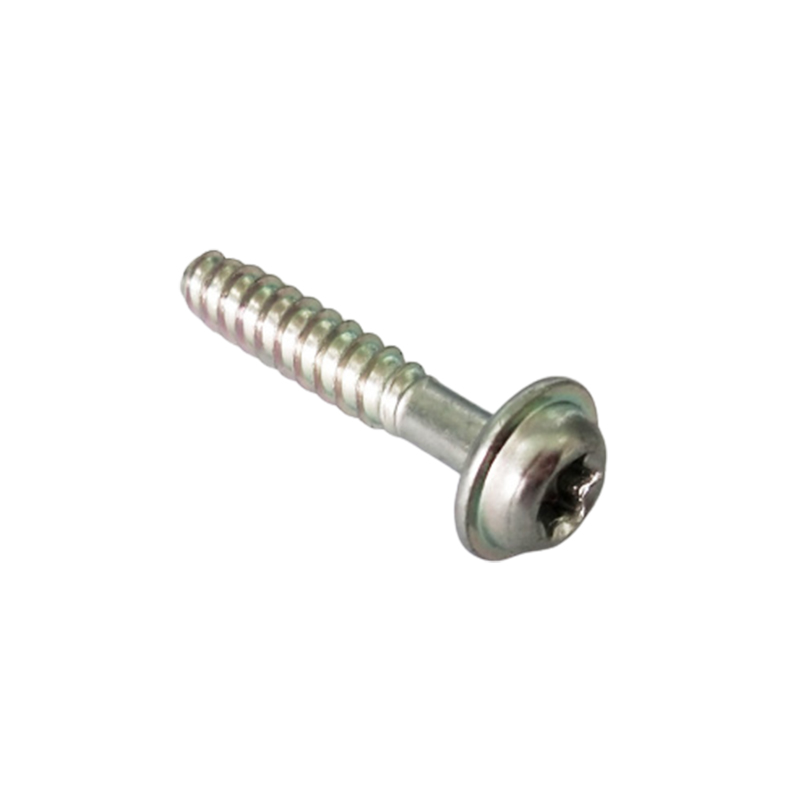
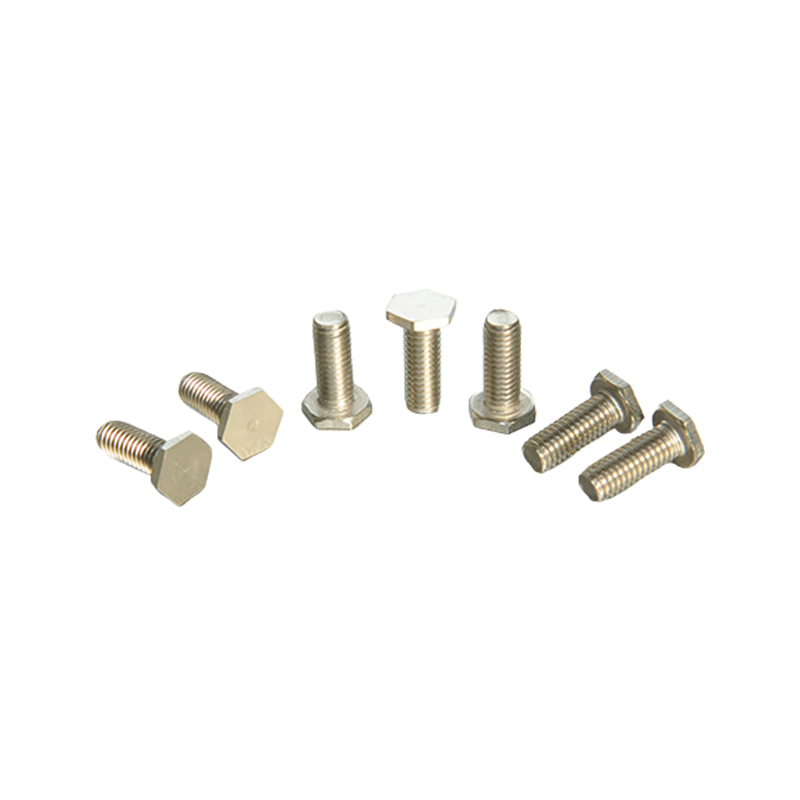
สกรูรวม มีหัวยึดพร้อมระบบขับเคลื่อนที่แตกต่างกันสองระบบที่กลึงเข้าในช่องเดียวกัน ชุดค่าผสมที่พบบ่อยที่สุดคือ slotted/Phillips (มักเรียกว่า "คอมโบ" ตามร้านฮาร์ดแวร์) ซึ่งใช้ได้กับไขควงปากแบนมาตรฐานหรือไขควง Phillips . ชุดค่าผสมยอดนิยมอื่นๆ ได้แก่ ฟิลลิปส์/สี่เหลี่ยมจัตุรัส (Quadrex), ฟิลลิปส์/หกเหลี่ยม (หัวหกเหลี่ยมพร้อมร่องฟิลลิปส์), ทอร์กซ์/ร่อง และร่อง/หกเหลี่ยม การรวมกันช่วยให้ผู้ปฏิบัติงานสามารถใช้ไดรเวอร์ใดก็ได้ที่มีอยู่แล้วโดยไม่ต้องค้นหาประเภทบิตที่เฉพาะเจาะจง ในสภาพแวดล้อมการผลิตที่สถานีประกอบที่แตกต่างกันใช้เครื่องมือที่แตกต่างกัน สกรูรวมจะทำให้รายการตัวยึดเป็นมาตรฐาน
สกรูรวมไม่เหมือนกับสกรู "สากล" (ซึ่งพยายามรับไดรฟ์หลายตัว แต่ยึดติดได้ไม่ดีกับทุกตัว) สกรูรวมที่ได้รับการออกแบบทางวิศวกรรมอย่างเหมาะสมนั้นมีส่วนเว้าของไดรฟ์ทั้งสองที่มีรูปแบบครบถ้วนตามข้อกำหนดมาตรฐาน ช่วยให้สามารถมีส่วนร่วมของไดรเวอร์กับไดรฟ์แต่ละประเภทได้อย่างเต็มที่ . สกรูรวมคุณภาพต่ำมักจะมีร่องตื้นซึ่งทำให้ไดรเวอร์หลุดหรือหลุดออก ตรวจสอบความลึกของช่องไดรฟ์เสมอ: สำหรับไดรฟ์ #2 Phillips ในสกรูรวม กากบาทควรมีความลึกอย่างน้อย 2.5 มม. ที่ตรงกลาง สำหรับไดรฟ์สี่เหลี่ยม #2 ช่องสี่เหลี่ยมควรมีความลึกอย่างน้อย 3 มม.
\\\\\\\\\\| ประเภทการรวมกัน | ไดรฟ์หลัก | ไดรฟ์รอง | แรงบิดสูงสุด (นิวตันเมตร) #8 | ความเสี่ยงจากการแคมเอาท์ | การใช้งานทั่วไป |
|---|---|---|---|---|---|
| เจาะรู/Phillips (คอมโบ) | ฟิลลิปส์ #2 | เจาะรู 6 มม | 3.5 | ปานกลาง | ไฟฟ้า,ฮาร์ดแวร์ทั่วไป |
| ฟิลลิปส์/สี่เหลี่ยม (Quadrex) | สแควร์ #2 | ฟิลลิปส์ #2 | 5.5 | ต่ำ | งานไม้ ประกอบตู้ |
| ฐานสิบหก/ฉากเจาะรู | ฐานสิบหก 1/4" | เจาะรู | 7.0 | ต่ำมาก | การประกอบเครื่องกล, อุปกรณ์ติดตั้ง |
| ทอกซ์/เหล็กฉากเจาะรู | ทอร์ก T20 | เจาะรู | 8.5 | น้อยที่สุด | แรงบิดสูงยานยนต์ |
| ฟิลลิปส์/Hex | ฐานสิบหก 5/16" | ฟิลลิปส์ #3 | 10.0 | ต่ำ | เครื่องจักรกลหนัก, การก่อสร้าง |
ขับเคลื่อนการมีส่วนร่วม: จับคู่ไดรเวอร์กับ Recess
ประสิทธิภาพของสกรูรวมขึ้นอยู่กับการเลือกไดรเวอร์ที่เหมาะสมสำหรับประเภทไดรฟ์ที่เลือก การใช้ไขควงปากแฉกกับสกรูรวมแบบ slotted/Phillips ต้องใช้ขนาดดอกไขควง Phillips ที่ถูกต้อง (#0, #1, #2 หรือ #3 ขึ้นอยู่กับขนาดสกรู) . นักแข่ง #2 Phillips ในช่อง #2 Phillips บรรลุการมีส่วนร่วม 80-90%; การใช้ไดรเวอร์ #1 ในช่อง #2 จะตัดไม้กางเขนภายใน 5-10 เทิร์น สำหรับไดรฟ์แบบมีร่อง ความหนาของใบมีดจะต้องตรงกับความกว้างของช่อง: ใบมีดขนาด 1.0 มม. ในช่องขนาด 1.2 มม. ใช้งานได้ แต่ใบมีดขนาด 0.8 มม. จะหมุนได้อย่างอิสระและทำให้ขอบของช่องเสียหาย
สำหรับการรวมฟิลลิปส์/สี่เหลี่ยมจัตุรัส (Quadrex) ไดรฟ์สี่เหลี่ยมให้การถ่ายโอนแรงบิดที่เหนือกว่า (5-6 นิวตันเมตรสำหรับขนาด #8) และแทบไม่มีการแคมเอาท์ ซึ่งเป็นแนวโน้มที่ผู้ขับขี่จะหลุดออกจากช่องภายใต้แรงบิดสูง . Phillips ขับเคลื่อนลูกเบี้ยวเพียงอย่างเดียวที่ 3.5-4.0 Nm สำหรับสกรู #8 ไดรฟ์สี่เหลี่ยมมีส่วนร่วมได้ลึกยิ่งขึ้นและรักษาหน้าสัมผัสได้สูงถึง 6 นิวตันเมตร ในสภาพแวดล้อมการผลิตที่ใช้ตัวขับเคลื่อนกำลัง สกรูรวม Quadrex ช่วยลดอัตราการลอกออกได้ 60-80% เมื่อเทียบกับสกรู Phillips มาตรฐาน ข้อเสียเปรียบ: บิตสี่เหลี่ยมพบได้น้อยกว่า Phillips ดังนั้นผู้ใช้จึงอาจใช้ฝั่ง Phillips โดยเสียข้อได้เปรียบด้านแรงบิด
ความจุแรงบิดและความต้านทานแถบ
แรงบิดสูงสุดที่สกรูแบบรวมสามารถรับได้ก่อนการปอกไดรฟ์จะขึ้นอยู่กับรูปทรงของไดรฟ์และวัสดุของสกรู สำหรับสกรูเหล็ก #8 (เส้นผ่านศูนย์กลาง 4 มม.) ขีดจำกัดแรงบิดตามประเภทของไดรฟ์: เฉพาะร่อง: 2.0-2.5 Nm; ฟิลลิปส์เท่านั้น: 3.5-4.0 Nm; slotted/Phillips คอมโบ: 3.5 Nm (จำกัดโดย Phillips); ฟิลลิปส์/คอมโบสี่เหลี่ยม: 5.5 Nm; Torx/เหล็กฉากเจาะรู: 8.5 Nm; ฐานสิบหก/ร่อง: 7.0 Nm . การปอกเกิดขึ้นเมื่อแรงบิดที่ใช้เกินความจุของไดรฟ์ คนขับจะหมุนในช่องและตัดพื้นผิวของไดรฟ์ เมื่อถอดสกรูออกแล้ว จะถอดสกรูออกได้ยากมาก โดยมักต้องใช้เครื่องมือสกัดหรือเจาะ
เพื่อป้องกันการปอก ให้ใช้ประเภทไดรฟ์ที่มีความจุแรงบิดสูงสุดสำหรับการใช้งาน สำหรับการใช้งานที่มีแรงบิดสูง (สกรูดาดฟ้า สกรูยึด ตัวยึดโครงสร้าง) ระบุสกรูรวมที่มีไดรฟ์หลักหกเหลี่ยม สี่เหลี่ยม หรือ Torx . ไดรฟ์รองแบบ slotted และ Phillips มีไว้สำหรับการถอดหรือการปรับแรงบิดต่ำ ไม่ใช่สำหรับการขับขี่ครั้งแรก ในการทดสอบภาคสนาม สกรูรวมแบบฟิลลิปส์/สี่เหลี่ยมที่ขับเคลื่อนด้วยดอกสว่านสี่เหลี่ยมทำให้การติดตั้งโดยไม่ต้องปอกสำเร็จ 95% เทียบกับ 70% เมื่อขับเคลื่อนด้วยดอกสว่านฟิลลิปส์ ใช้ไดรฟ์หลักในการขับขี่ ใช้ตัวรองเพื่อการลบในอนาคตหากบิตหลักไม่พร้อมใช้งาน
เกรดวัสดุและคลาสความแข็งแกร่ง
สกรูรวมผลิตขึ้นในเกรดวัสดุต่างๆ โดยมีความต้านทานแรงดึงที่สอดคล้องกัน เหล็กกล้าคาร์บอนต่ำ (เกรด 2 หรือ 4.8): ความต้านทานแรงดึง 400-550 MPa เหมาะสำหรับงานเบา (กล่องไฟฟ้า ฝาครอบเต้ารับ ประกอบเฟอร์นิเจอร์) . เหล็กกล้าคาร์บอนปานกลาง (เกรด 5 หรือ 8.8): 800-1000 MPa เหมาะสำหรับการก่อสร้างทั่วไป แท่นยึดรถยนต์ และการ์ดเครื่องจักร โลหะผสมเหล็ก (เกรด 8 หรือ 10.9): 1200-1400 MPa สำหรับการใช้งานที่มีความแข็งแรงสูง (ส่วนประกอบเครื่องยนต์ เครื่องจักรกลหนัก เหล็กโครงสร้าง) เหล็กกล้าไร้สนิม (18-8 หรือ 316): 500-700 MPa สำหรับการใช้งานที่ทนต่อการกัดกร่อน (ทางทะเล การแปรรูปอาหาร กลางแจ้ง)
อย่าใช้สกรูรวมที่สูงกว่าความแข็งแรงที่กำหนด การใช้สกรูเกรด 2 โดยระบุเกรด 8 ส่งผลให้เกิดแรงเฉือนของตัวยึดหรือแรงดึง ซึ่งอาจส่งผลให้อุปกรณ์เสียหายหรือได้รับบาดเจ็บส่วนบุคคล . สำหรับการใช้งานที่มีความสำคัญด้านความปลอดภัย (เข็มขัดนิรภัย ส่วนประกอบเบรก อุปกรณ์ยก) ให้ระบุเกรด 8 หรือ 10.9 ด้วยประเภทการขับเคลื่อนที่เหมาะสม (ฐานสิบหกหรือ Torx ไม่ใช่ร่องหรือแฉก) สำหรับการใช้งานทางไฟฟ้า สกรูผสมทองเหลือง (ทองแดง 60-80%, สังกะสี 20-40%) ให้ค่าการนำไฟฟ้าและความต้านทานการกัดกร่อนได้ดีเยี่ยม แต่มีความแข็งแรงต่ำกว่า (300-400 MPa) ใช้สำหรับการต่อไฟฟ้าเท่านั้น ไม่ใช้การยึดโครงสร้าง
ความต้านทานการกัดกร่อนและการเคลือบ
สกรูรวมต้องมีการป้องกันการกัดกร่อนที่เหมาะสมกับสภาพแวดล้อม การชุบสังกะสี (ใสหรือสีเหลือง) เป็นการเคลือบที่พบบ่อยที่สุด โดยให้ความต้านทานละอองเกลือได้นาน 50-100 ชั่วโมง (ASTM B117) . สังกะสีใส (ลักษณะสีเงิน) ให้การปกป้องในร่มขั้นพื้นฐาน สังกะสีสีเหลือง (ลักษณะเป็นสีทอง) มีความต้านทานการกัดกร่อนดีขึ้นเล็กน้อยเนื่องจากมีการเคลือบด้วยการเปลี่ยนโครเมต สำหรับสภาพแวดล้อมกลางแจ้งหรือความชื้น ให้ระบุการเคลือบสังกะสีแบบจุ่มร้อน (HDG) ซึ่งทนทานต่อละอองเกลือได้นาน 500-1000 ชั่วโมง สกรู HDG มีการเคลือบที่หนากว่า (50-80 ไมครอน เทียบกับ 5-10 ไมครอนสำหรับแผ่นสังกะสี) แต่ความหนาที่เพิ่มขึ้นสามารถเติมเต็มร่องของไดรฟ์ได้ ช่วยลดการมีส่วนร่วมของไดรเวอร์ ระบุ "ระยะพอดี" หรือ "ต๊าปเกลียวหลังชุบสังกะสี" สำหรับสกรูรวม HDG เพื่อรักษารูปทรงของไดรฟ์
สำหรับสภาพแวดล้อมทางทะเลหรือทางเคมี ให้ระบุสแตนเลส 316 (หรือที่เรียกว่าเกรดทางทะเล) สแตนเลส 316 มีโมลิบดีนัม (2-3%) ซึ่งให้ความต้านทานต่อการกัดกร่อนของคลอไรด์ (น้ำเกลือ สารฟอกขาว สารเคมีในสระน้ำ) . สแตนเลส 18-8 (เกรด 304) เพียงพอสำหรับสภาพแวดล้อมที่เปียกในร่ม (ห้องน้ำ ห้องครัว) แต่อาจเกิดการปนเปื้อนในอากาศเกลือหรือน้ำคลอรีน การเคลือบแบล็กออกไซด์ให้การป้องกันการกัดกร่อนน้อยที่สุด (สเปรย์เกลือ 12-24 ชั่วโมง) แต่ให้พื้นผิวสีดำสวยงามสำหรับตัวยึดที่มองเห็นได้ ใช้ภายในอาคารเท่านั้น สำหรับหน้าสัมผัสโลหะที่ไม่เหมือนกัน (สกรูเหล็กในอะลูมิเนียม) ให้ระบุสกรูที่เคลือบด้วยไนลอนหรือแผ่นกั้น PTFE เพื่อป้องกันการกัดกร่อนของกัลวานิก ซึ่งอาจทำให้เกลียวขาดและยึดได้
ลักษณะศีรษะและการนับถอยหลัง
สกรูรวมมีจำหน่ายในหัวหลายสไตล์ แต่ละแบบเหมาะสำหรับการใช้งานที่แตกต่างกัน หัวแบน (ดอกเคาเตอร์ซิงค์ 82° หรือ 100°) จะใช้เมื่อสกรูต้องอยู่ในระดับเดียวกับหรือต่ำกว่าพื้นผิวชิ้นงาน . สกรูรวมหัวแบนจำเป็นต้องมีรูนำแบบจม หากไม่มีการจมหัวจะนั่งอย่างภาคภูมิใจและอาจแยกวัสดุบาง ๆ ได้ หัวรูปไข่มีลักษณะแบน แต่มียอดโค้งมน ใช้สำหรับงานตกแต่งที่มองเห็นสกรูได้ (แผ่นสวิตช์ บานพับ) หัวกระทะ (ด้านบนแบนและมีด้านโค้งมนเล็กน้อย) วางอยู่เหนือพื้นผิว ใช้สำหรับจับยึดวัสดุที่หนากว่าหรือเมื่อไม่สามารถทำการเคาเตอร์ซิงค์ได้ หัวทรัส (กว้าง โครงต่ำ) ให้พื้นผิวรับน้ำหนักที่ใหญ่ขึ้นสำหรับวัสดุเนื้ออ่อน (พลาสติก ไม้เนื้ออ่อน โลหะแผ่น) เพื่อป้องกันการดึงทะลุ
สำหรับงานโลหะแผ่นและงานไฟฟ้า ให้ระบุสกรูหัวจม หรือสกรูหัวกลม สกรูหัวแบนในโลหะแผ่นบาง (ความหนาต่ำกว่า 1.5 มม.) ทำให้การยึดเกลียวไม่เพียงพอและอาจดึงทะลุได้ ใช้หัวกระทะกับแหวนรองแทน . สำหรับงานไม้ที่ต้องการการขัดเงา ให้ใช้หัวแบนพร้อมดอกเคาเตอร์ซิงค์เพื่อสร้างมุม 82° ที่ตรงกัน สำหรับพื้นคอมโพสิต ให้ใช้หัวแบนที่มีสตาร์ไดรฟ์ (ทอร์ก/สี่เหลี่ยม) หลัก การรวมกันขั้นทุติยภูมิ (slotted/Phillips) อาจลอกออกระหว่างการถอดออกหลังจากโดนรังสียูวีหลายปี ทดสอบสกรูตัวอย่างในวัสดุที่ต้องการก่อนการติดตั้งแบบเต็มเพื่อตรวจสอบอ่างล้างจานและกำลังไฟที่ยึดไว้
ประเภทเกลียว: หยาบและละเอียดเทียบกับการกรีดตัวเอง
สกรูรวมมีให้เลือกหลายรูปแบบซึ่งปรับให้เหมาะกับวัสดุฐานที่แตกต่างกัน เกลียวหยาบ (เกลียวน้อยต่อนิ้ว, โปรไฟล์ลึก) ใช้สำหรับไม้ ผนังเบา และพลาสติกอ่อน . เกลียวลึกตัดเป็นวัสดุเส้นใย จึงมีความต้านทานแรงดึงสูง เกลียวละเอียด (เกลียวมากขึ้นต่อนิ้ว ลักษณะที่ตื้นกว่า) ใช้สำหรับโลหะ พลาสติกแข็ง และรูต๊าปล่วงหน้า ด้ายละเอียดช่วยเพิ่มแรงดึงและต้านทานแรงสั่นสะเทือนได้ดียิ่งขึ้น สกรูเกลียวปล่อย (ประเภท A, AB หรือ B) มีปลายแหลมสำหรับตัดเกลียวในตัวมันเองในแผ่นโลหะหรือพลาสติก ใช้เมื่อการกรีดล่วงหน้าไม่สามารถทำได้
สำหรับงานไม้ ให้ระบุสกรูรวมที่มีปลายแหลมและเกลียวหยาบ สกรูไม้ที่มีระบบขับเคลื่อนแบบแฉก/สี่เหลี่ยม (Quadrex) ช่วยลดการเบี้ยวระหว่างการขับขี่ ช่วยให้แรงบิดเบาะสูงขึ้นโดยไม่ทำให้ส่วนหัวหลุด . สำหรับการยึดโลหะกับโลหะ ให้ระบุเกลียวสกรูเครื่องจักร (UNC หรือ UNF) ที่มีหัวรวมหกเหลี่ยม/ร่อง หรือ Torx/ร่อง สำหรับสกรูกราวด์กล่องไฟฟ้า ให้ระบุ slotted/Phillips (ECX) แบบผสมที่มีรูปแบบเกลียวพิเศษ (10-32 หรือ 8-32 NC) ที่ตรงกับรูเกลียวของกล่อง การใช้เกลียวผิดประเภท (เช่น เกลียวหยาบในรูเกลียวละเอียด) จะทำให้เกลียวตัวเมียเสียหายและลดภาระในการแคลมป์ลง 50-80%
เครื่องมือการติดตั้งและความเข้ากันได้ของบิต
สกรูรวมการขับต้องใช้ประเภทและขนาดบิตที่ถูกต้องสำหรับไดรฟ์ที่เลือก สำหรับการผสมผสานระหว่าง slotted/Phillips ให้ใช้บิต #1, #2 หรือ #3 Phillips ที่ตรงกับขนาดสกรู: สกรู #0 ใช้บิต #0, สกรู #1 ใช้บิต #1, สกรู #2 ใช้บิต #2, สกรู #3 ใช้บิต #3 . การใช้ดอกสว่านที่มีขนาดไม่เล็ก (เช่น ดอก #1 ในสกรู #2) จะดึงส่วนเว้าออกทันที สำหรับไดรฟ์แบบมีรู ให้ใช้ดอกกราวด์กลวง (ด้านขนาน) แทนดอกสว่าน ดอกเรียวแหลม (ทั่วไปในไขควงหลายดอก) โผล่ออกมาจากช่อง ซึ่งทำให้ขอบเสียหาย สำหรับฟิลลิปส์/สแควร์ (Quadrex) ให้ใช้บิตสแควร์ #2 (Robertson) หรือ #2 บิตฟิลลิปส์ บิตสี่เหลี่ยมให้กำลังแรงบิดที่สูงขึ้น
การตั้งค่าไดรเวอร์พลังงาน: สำหรับสกรูรวม #8 เข้ากับไม้เนื้ออ่อน ให้ตั้งคลัตช์เป็น 4-5 (ในระดับ 1-10) สำหรับไม้เนื้อแข็ง 6-7; สำหรับแผ่นโลหะ 3-4 . เริ่มต้นจากการตั้งค่าที่ต่ำกว่าและเพิ่มขึ้นจนกระทั่งเบาะนั่งสกรูเต็มโดยไม่ต้องถอดไดรฟ์หรือทำให้วัสดุแตก สำหรับผนังยิปซั่ม ให้ใช้สกรูรวมเฉพาะสำหรับแผ่นยิปซั่ม (หัวแตรเดี่ยว เกลียวหยาบ) กับดอกสว่านสำหรับยิปซั่มยิปซั่มที่จะหยุดที่ความลึกที่ถูกต้อง สำหรับการประกอบยานยนต์หรือเครื่องจักร ให้ใช้ไขควงจำกัดแรงบิดหรือไขควงไฟฟ้าที่มีแรงบิดที่ตั้งไว้ล่วงหน้า สกรูรวมที่มีแรงบิดมากเกินไปในรูเกลียวจะช่วยยืดตัวยึดหรือดึงชุดขับออก ปรับเทียบเครื่องมือทอร์คเป็นประจำทุกปี ข้อมูลภาคสนามแสดงให้เห็นว่าประแจทอร์ค 40% ไม่ตรงตามข้อกำหนดหลังจากใช้งานเป็นประจำทุกวันเป็นเวลา 12 เดือน
การใช้งานทางไฟฟ้า: สกรู Slotted/Phillips (ECX)
สกรูรวมระบบไฟฟ้า (มักเรียกว่า ECX หรือ "รวมกัน" ในแค็ตตาล็อกอุปกรณ์ไฟฟ้า) ได้รับการออกแบบมาเป็นพิเศษสำหรับการเชื่อมต่อขั้วต่อบนสวิตช์ เต้ารับ และเบรกเกอร์ สกรูเหล่านี้มีลักษณะเป็นไดรฟ์แบบ slotted/Phillips โดยมีร่อง Phillips ที่ตื้นกว่าเล็กน้อยกว่ามาตรฐาน เหมาะสำหรับไขควงปากแบนที่ช่างไฟฟ้าพกพา . การรวมกันช่วยให้ช่างไฟฟ้าสามารถใช้เครื่องมืออย่างใดอย่างหนึ่งโดยไม่ต้องเปลี่ยนบิต สำหรับการใช้งานทางไฟฟ้า วัสดุสกรูมักจะเป็นทองเหลืองหรือทองเหลืองชุบนิกเกิล (สำหรับความต้านทานการกัดกร่อนและการนำไฟฟ้า) ไม่ใช่เหล็ก การใช้สกรูเหล็กในขั้วไฟฟ้าทำให้เกิดการกัดกร่อนของกระแสไฟฟ้ากับสายทองแดง และเพิ่มความต้านทานต่อการสัมผัส ซึ่งอาจทำให้เกิดความร้อนสูงเกินไป
ข้อกำหนดด้านแรงบิดสำหรับสกรูรวมทางไฟฟ้ามีความสำคัญ: สำหรับวงจรย่อย 15-20 แอมป์ แรงบิดอยู่ที่ 1.2-1.5 Nm (10-13 นิ้ว-ปอนด์) สำหรับขั้วต่อขนาดใหญ่ (30-60 แอมป์) 2.0-2.5 Nm . แรงบิดต่ำเกินไปส่งผลให้ข้อต่อหลวมซึ่งเกิดส่วนโค้งและทำให้เกิดความร้อน แรงบิดที่มากเกินไปจะทำให้ช่องไดรฟ์หลุดออกหรือทำให้แผงขั้วต่อแตกหัก สกรูรวมแบบใช้ไฟฟ้าหลายตัวมีคุณสมบัติจำกัดแรงบิด: จะเกิดการหน่วงเล็กน้อยหรือความรู้สึกเปลี่ยนแปลงเมื่อถึงแรงบิดที่เหมาะสม เมื่อติดตั้งอุปกรณ์ไฟฟ้ารุ่นเก่าๆ ให้ทดสอบสกรูสองสามตัวด้วยไขควงทอร์คเพื่อตรวจสอบความรู้สึกที่ถูกต้อง หลังจากขันให้แน่นแล้ว ให้ดึงลวดเล็กน้อย หากสายไฟเคลื่อนที่เข้าไปในขั้วต่อ สกรูจะหลวมเกินไป ไม่ว่าค่าแรงบิดจะอ่านได้ก็ตาม
การถอดสกรูรวมที่ถอดออก
เมื่อสกรูไดรฟ์แบบรวมหลุดออก (ส่วนเว้าโค้งมนออก) การถอดจะกลายเป็นเรื่องยาก แต่ก็ไม่ใช่ว่าจะเป็นไปไม่ได้ ขั้นตอนแรก: ลองใช้ไดรฟ์ประเภทอื่น หากแถบขวางของ Phillips หลุดออกไป ไดรฟ์แบบ slotted อาจยังคงทำงานอยู่ . ใช้ดอกกัดกราวด์กลวงที่มีความกว้างที่ถูกต้อง (ความกว้างของร่องควรตรงกับความหนาของดอกสว่าน) หากไดรฟ์แบบ slotted หลุดออกด้วย ให้ใช้เครื่องแยกสกรู (ดอกเรียวเกลียวกลับ): เจาะรูนำ 2-3 มม. ในหัวสกรู ใส่เครื่องแยกออก และหมุนทวนเข็มนาฬิกา สำหรับสกรูฟิลลิปส์/สกรูสี่เหลี่ยม (Quadrex) บิตสี่เหลี่ยม #2 มักจะติดกับช่องสี่เหลี่ยมแม้ว่ากากบาทของ Phillips จะหลุดออกแล้วก็ตาม เนื่องจากตัวขับเคลื่อนสี่เหลี่ยมนั้นลึกกว่าและเสี่ยงต่อความเสียหายน้อยกว่า
สำหรับสกรูรวมที่เป็นสนิมหรือยึดติด ให้ใช้น้ำมันเจาะ (ไม่ใช่ WD-40) และรอ 15-30 นาทีก่อนลองถอดออก หากเข้าถึงหัวสกรูได้ ให้ใช้คีมล็อค (Vise-Grips) เพื่อจับเส้นรอบวงศีรษะด้านนอก สำหรับสกรูหัวกลมหรือสกรูหัวกลม มักจะใช้งานได้เมื่อช่องไดรฟ์ไม่ทำงาน . สำหรับสกรูหัวเทเปอร์หัวแบน การเจาะหัวออก (โดยใช้เส้นผ่านศูนย์กลางของสกรูใหญ่กว่าเล็กน้อยเล็กน้อย) เป็นวิธีสุดท้าย หลังจากที่หัวแยกออกแล้ว ก็สามารถถอดก้านที่เหลือออกได้ด้วยคีมเมื่อถอดส่วนที่ยึดออกแล้ว สำหรับชิ้นส่วนที่มีมูลค่าสูง ให้พิจารณาใช้เครื่องทำความร้อนแบบโบลต์แบบเหนี่ยวนำ (ให้ความร้อนสกรูที่ 250-300°C) เพื่อทำลายพันธะสนิม ห้ามใช้วิธีนี้ใกล้กับวัสดุไวไฟหรืออุปกรณ์อิเล็กทรอนิกส์
ตัวชี้วัดคุณภาพและเกณฑ์การปฏิเสธ
เมื่อซื้อสกรูรวม ให้ตรวจสอบตัวบ่งชี้คุณภาพที่แยกตัวยึดที่เชื่อถือได้ออกจากตัวยึดที่ด้อยกว่า คัดแยกสกรูที่มี: ร่องขับแบบตื้น (ความลึกน้อยกว่า 2 มม. สำหรับฟิลลิป #2), กากบาทที่ไม่อยู่ตรงกลาง (กากบาทที่ไม่อยู่ตรงกลางหัว), เสี้ยนหรือแฟลชในช่อง (เศษจากการผลิต), ความกว้างของร่องไม่สอดคล้องกัน (แตกต่างกันมากกว่า 0.2 มม. ตามความยาว) หรือการชุบที่สะสมอยู่ภายในร่องของไดรฟ์ . การสะสมของการชุบจะช่วยลดการมีส่วนร่วมของไดรเวอร์ลง 10-30% และเพิ่มความเสี่ยงในการลอกออก ทดสอบสกรู 5-10 ตัวจากแต่ละชุดโดยขันสกรูเข้ากับวัสดุตัวอย่าง หากมีการลอกออกมากกว่า 10% ในระหว่างการทดลองขับ ให้ปฏิเสธทั้งชุด
สำหรับตัวยึดที่ได้รับการรับรอง (ASTM, SAE, ISO) โปรดขอใบรับรองความสอดคล้องของผู้ผลิต ข้อมูลจำเพาะที่สำคัญในการตรวจสอบ: ความแข็งของส่วนหัว (HRC 20-30 สำหรับคาร์บอนต่ำ, HRC 30-40 สำหรับคาร์บอนปานกลาง), ความลึกของตัวเรือน (สำหรับสกรูชุบแข็ง 0.1-0.3 มม.) และความสอดคล้องของช่องไดรฟ์ตามมาตรฐาน ANSI/ASME B18.6.3 . สำหรับการใช้งานด้านการบินและอวกาศหรือทางการแพทย์ ต้องมีการตรวจสอบ 100% (ไม่ใช่การสุ่มตัวอย่างทางสถิติ) สำหรับการก่อสร้าง รายงานผลการทดสอบที่ได้รับการรับรองตามมาตรฐาน ASTM F1941 สำหรับความหนาของชั้นเคลือบก็เพียงพอแล้ว คงเกจ go/no-go ที่ปรับเทียบแล้วไว้สำหรับประเภทไดรฟ์ เกจ #2 Phillips ควรติดตั้งในช่องจนสุดโดยไม่โยกเยก หากเกจโยกมากกว่า 0.5 มม. แสดงว่าช่องนั้นไม่เป็นไปตามข้อกำหนด
การวิเคราะห์ต้นทุน-ผลประโยชน์เทียบกับสกรูแบบไดรฟ์เดี่ยว
โดยทั่วไปสกรูรวมจะมีราคาสูงกว่าสกรูแบบไดรฟ์เดี่ยวประมาณ 15-30% สำหรับสกรูหัวแฉกขนาด #8 x 1" ราคาต่อ 100 ชิ้นจะอยู่ที่ประมาณ 3.50 เหรียญสหรัฐ ส่วนสกรูแบบเดียวกันในหัวแฉก/แบบเหลี่ยมจะมีราคา 4.50 เหรียญสหรัฐต่อ 100 ชิ้น . สำหรับโครงการขนาดเล็ก (สกรูไม่เกิน 500 ตัว) ค่าพรีเมียมนั้นน้อยมาก ($5-10) สำหรับโครงการขนาดใหญ่ (สกรู 10,000 ตัว) ค่าเบี้ยประกันภัยอาจอยู่ที่ 100-300 เหรียญสหรัฐ การวิเคราะห์ต้นทุนและผลประโยชน์จะนิยมใช้สกรูรวมเมื่อ: (1) ช่างเทคนิคหลายคนใช้เครื่องมือที่แตกต่างกัน (2) การซ่อมแซมภาคสนามอาจมีประเภทดอกสว่านไม่ถูกต้อง หรือ (3) มีแนวโน้มที่จะถูกผู้อื่นถอดออกในอนาคต ในสภาพแวดล้อมการผลิตที่ความสม่ำเสมอของแรงบิดเป็นสิ่งสำคัญ อัตราแถบที่ลดลงของสกรู Quadrex ช่วยลดต้นทุนการทำงานซ้ำได้ 50-200 เหรียญสหรัฐฯ ต่อสกรู 1,000 ตัว ซึ่งช่วยชดเชยต้นทุนตัวยึดที่สูงขึ้น
สำหรับการจัดการสินค้าคงคลัง สกรูแบบรวมจะช่วยลดจำนวน SKU ที่ต้องใช้ สกรูรวมตัวเดียวสามารถแทนที่สกรู slotted และ Phillips ที่แยกกัน ช่วยลดสินค้าคงคลังลง 30-50% . สำหรับแผนกซ่อมบำรุง สกรูตัวเดียวใช้ได้กับช่างไฟฟ้า (slotted) ช่างเครื่อง (Phillips) และช่างไม้ (ไดรฟ์สี่เหลี่ยม) ประหยัดเวลาจากการไม่ค้นหาประเภทสกรูที่ถูกต้องหรือบิตเฉลี่ย 30-60 วินาทีต่อการเปลี่ยนตัวยึด ตัวยึดมากกว่า 50,000 ตัวต่อปี ช่วยประหยัดเวลาแรงงานได้ 400-800 ชั่วโมง สำหรับผู้ใช้เชิงพาณิชย์และอุตสาหกรรมส่วนใหญ่ ค่าพรีเมียมสำหรับสกรูรวมจะคืนทุนภายใน 6-12 เดือนโดยลดต้นทุนสินค้าคงคลังและค่าแรง